Single Blog

The Latest News

Home / Single Blog

Modern African Architecture: A Global View

Introduction:

Modern African architecture is transforming the global conversation about design. Across the continent, architects are combining tradition, innovation, and cultural identity to create buildings that respond to local needs and inspire international audiences. From Lagos to Nairobi and Cape Town, and even in cities like Sydney, London, and New York, a new wave of creative talent is showing that Africa’s architectural voice is strong, practical, and beautifully distinct.

Lagos: Tradition and Innovation:

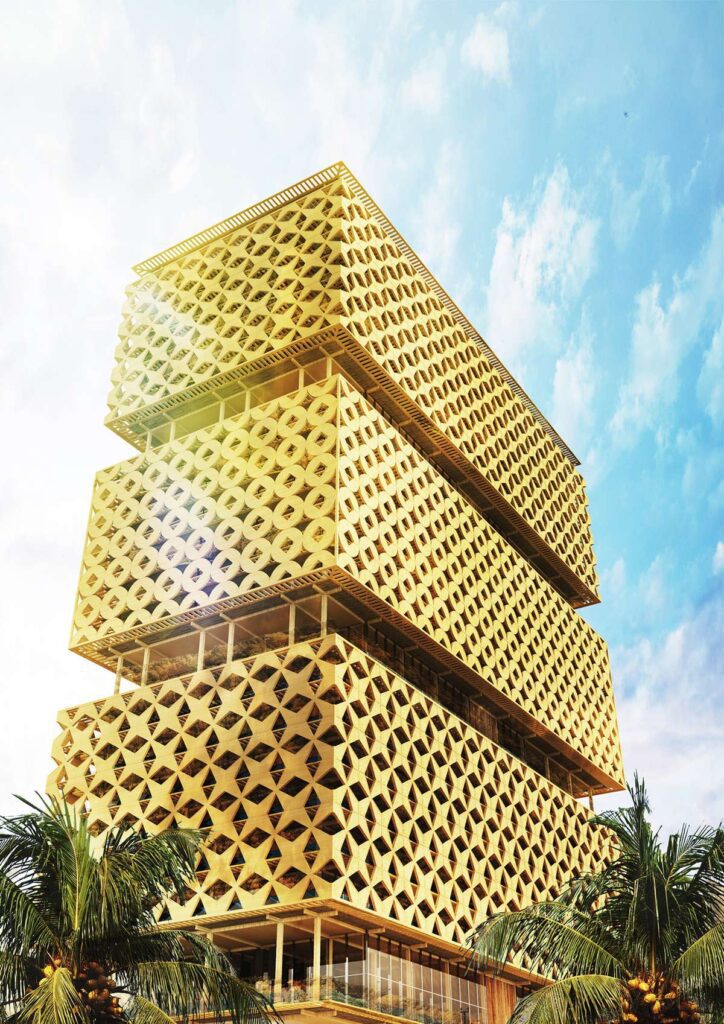
In Lagos, architecture reflects the energy and rhythm of the city itself. Markets, waterfront life, and fast urban growth push architects to think creatively. Projects like floating schools and modular housing solutions show how design can respond to local challenges such as flooding and dense populations. At the same time, a new aesthetic is emerging known as “Afro-minimalism.” It combines clean, simple forms with African patterns, materials, and cultural memory. Lagos shows how architecture can stay modern while staying true to its roots.


Nairobi: Growth and Smart Design:

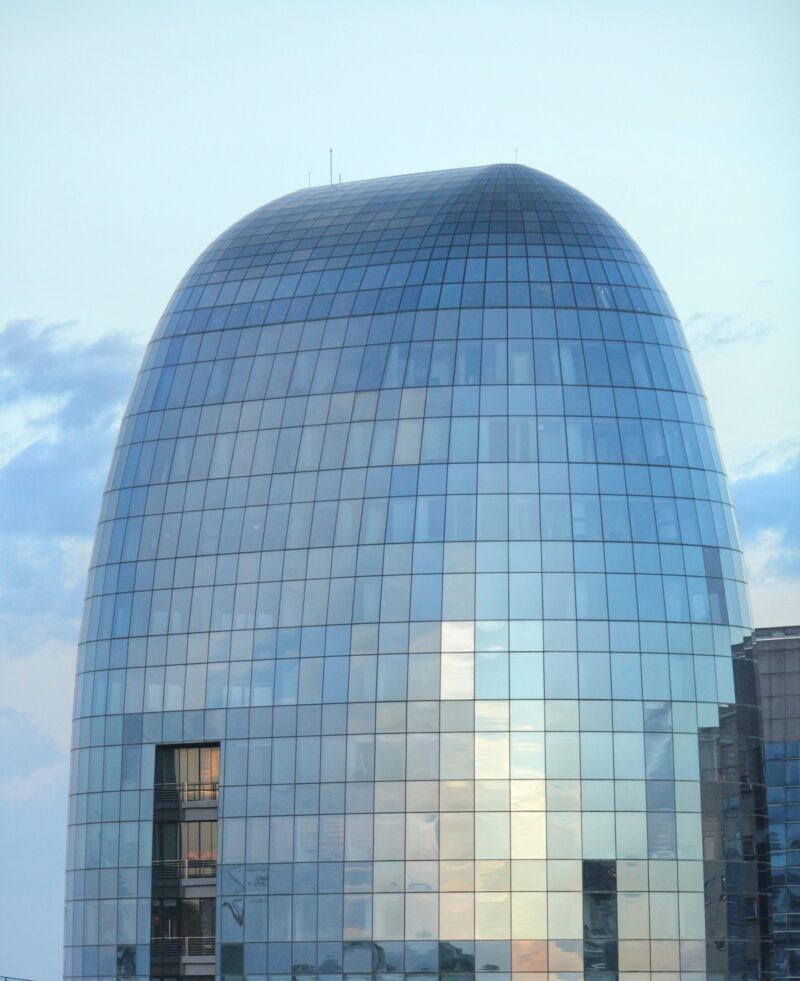
Nairobi is quickly becoming one of Africa’s most dynamic design capitals. As technology and new infrastructure reshape the city, architects are finding ways to balance modern ambitions with the realities of climate and community. Many new buildings use glass and steel, but they also integrate natural ventilation, sun-shading systems, and local materials to reduce energy use. Nairobi’s approach to design proves that contemporary architecture can be smart, sustainable, and still uniquely African.

Cape Town: Landscape and Identity:

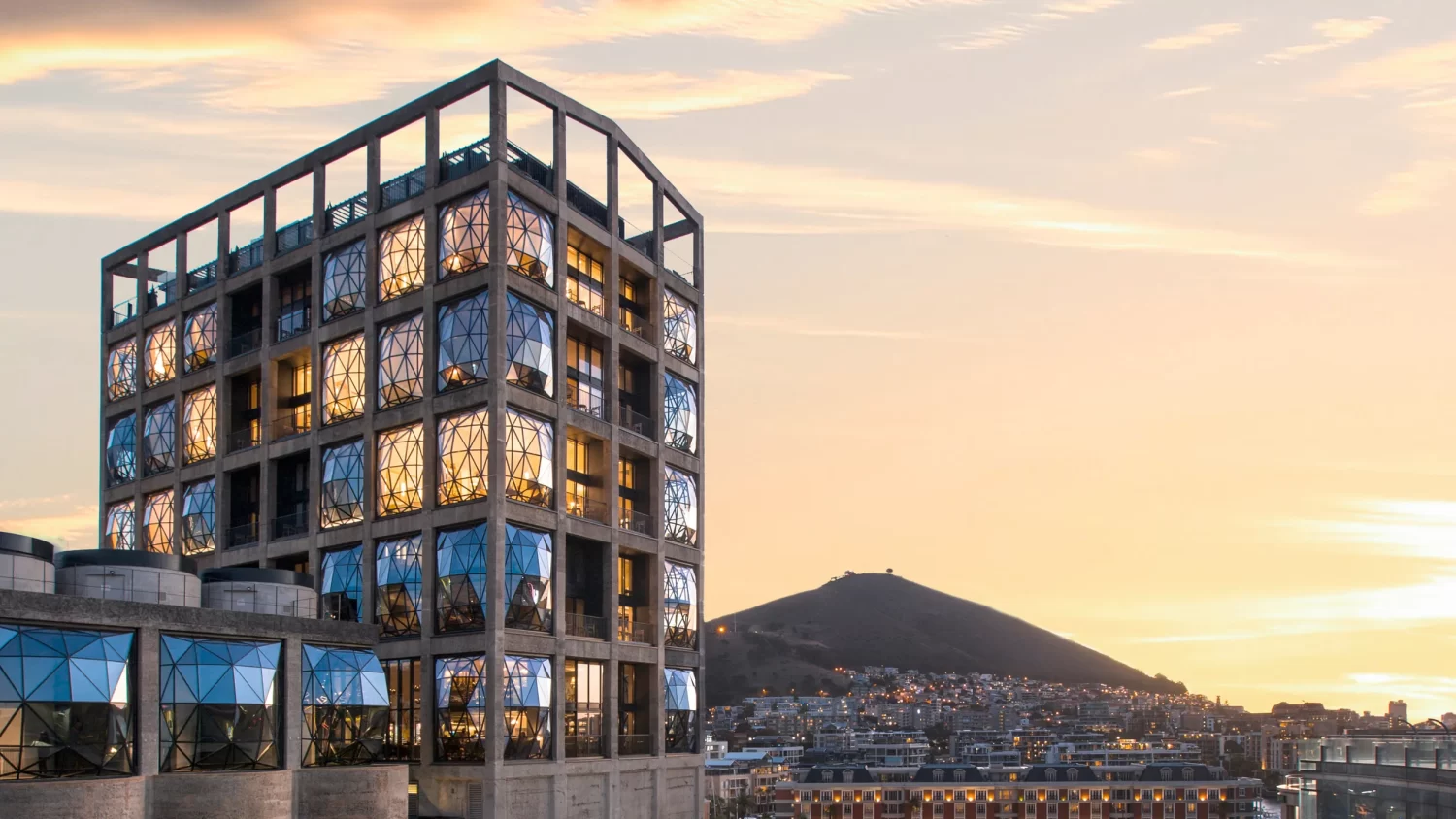
Cape Town offers a different kind of beauty. Here, buildings respond to breathtaking landscapes, strong light, and complex layers of history. Architects mix minimalist geometry with natural stone, timber, and textures that connect to local craft traditions. There’s also a growing effort to create spaces that reflect South Africa’s diverse cultural identity. Every project becomes a dialogue between modern design and deep heritage, producing architecture that feels both current and timeless.

From Africa to the World:

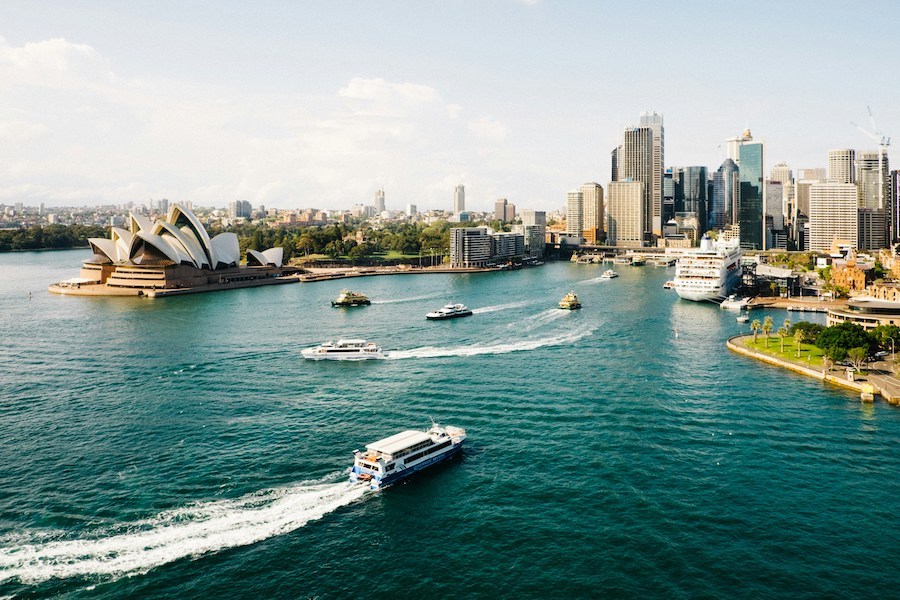
The influence of African architecture is now global. Architects from Lagos, Nairobi, and Cape Town are designing in Sydney, London, and New York, bringing African ideas about form, texture, and sustainability to the world stage. This exchange is two-way: African architects are adopting new technologies and fabrication techniques while maintaining a focus on cultural authenticity. It’s a modern design movement that connects continents through shared creativity and respect for place.


The Core Principles of Contemporary African Design:

 
1. Material storytelling

Local materials like clay, wood, and woven screens are more than decorative. They tell stories, manage climate, and express identity.

2. Climate-first thinking

Designers prioritize natural ventilation, shade, and sunlight control. Modern architecture becomes sustainable by learning from traditional knowledge.

3. Community focus

Many new projects are not luxury villas or corporate towers, but schools, cultural centers, and market spaces. Architecture in Africa often starts with people first.

4. Hybrid aesthetics

Modern African design is confident enough to mix global trends with traditional art, pattern, and craft. The result is architecture that feels fresh, human, and rooted.

Why It Matters Globally?

Modern African architecture offers valuable lessons for the entire world. It proves that innovation does not have to mean imitation. By designing with climate, culture, and community in mind, architects can create spaces that are sustainable and meaningful. In a time when many cities are struggling with uniform glass towers and environmental strain, Africa’s approach stands out as practical, adaptable, and inspiring.

Lessons for Architects and Developers
  • Start with place. Let the environment and people guide the design.
  • Prototype and test. Experiment with small-scale projects before building big.
  • Collaborate widely. Work with local craftsmen, historians, and engineers for stronger results.
  • Design for change. Create flexible structures that can adapt as cities grow and needs evolve.
 
 
Conclusion

Modern African architecture is more than a trend. It’s a movement that blends cultural pride, sustainability, and forward thinking. From the crowded streets of Lagos to the green hills of Nairobi and the coasts of Cape Town, architects are proving that the future of design can be both modern and meaningful. And as African creativity reaches cities like Sydney, London, and New York, the message is clear: authentic architecture built on culture and innovation has no borders.

Sources:
  • ArchDaily – Contemporary African Architects Redefining Urban Landscapes.

  • DesignBoom – African Architecture: Blending Tradition and Modernity.

  • The Guardian – Africa’s New Wave of Architects Building for the Future.

  • Dezeen – Modern African Design: Cultural Roots in Contemporary Spaces.

  • Architectural Digest – Innovative Architecture from Lagos to Cape Town.

  • Mazfinity Insights – Field observations and market perspectives from Rwanda and Turkey operations.

  • Image sources: Photos retrieved from Unsplash and Pexels under free commercial license.

  •  

Written by Mohammed Abderraouf ZERRIOUH

Founder & CEO of Mazfinity

Hire Us

For Next Project.

Subscribe Our Newsletter