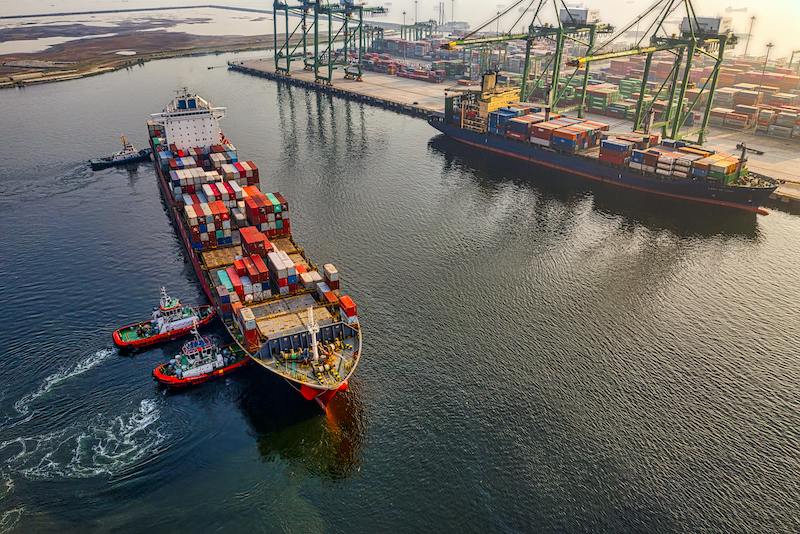
Australia Africa trade is entering a new phase. Australian strengths in mining services, agritech, water, education, and renewables match the fast growing needs of African markets. If you are planning market entry Africa, this guide shows where bilateral trade opportunities are strongest, how to structure routes to market via Johannesburg and Nairobi, and what to prepare for compliance, logistics, and risk. At Mazfinity, we help companies move from interest to implementation, with practical steps and local partnerships that work.
Where the opportunities are strongest:
Mining, energy, and services: Australia is world class in mining technology, safety, and operations. South Africa is a regional hub for mining services across Southern Africa. Demand is steady for drill and blast optimization, fleet management systems, safety PPE, non‑destructive testing, and training. Renewable power and storage for mines and industrial zones create joint project opportunities.
Agritech and cold chain: East Africa is scaling high‑value horticulture, dairy, and grain storage. Australian providers of solar cold rooms, controlled atmosphere storage, drip irrigation, water metering, and farm analytics can pilot in Kenya and scale regionally.
Water and climate resilience: Drought‑resilient irrigation, desalination, wastewater reuse, leak detection, and flood modeling are in demand for cities and industrial parks. Australian utilities know how can pair with African EPC firms for funded projects.
Construction and materials: Prefab classrooms, modular clinics, light‑gauge steel housing, and high‑performance coatings have growing demand. Partner with local contractors in Johannesburg and Nairobi to bundle product plus install.
Education, skills, and EdTech: TVET content, micro‑credentials for mining, health, and construction, and university partnerships are expanding. Micro‑campuses and hybrid delivery help with market testing.
Healthtech and diagnostics: Point of care devices, supply chain monitoring, and telemedicine platforms that integrate with local payment systems can scale with hospital groups and insurers.:
Choose the right route to market From Sydney and Perth to African hubs:
Gateway cities: Johannesburg for Southern Africa, Nairobi for East Africa. Both connect to secondary markets through established logistics, finance, and talent pools.
Entry models:
Distributor or value‑added reseller. Faster start, lower control, ideal for standardized equipment and consumables. Negotiate minimums, territories, service SLAs, and marketing commitments.
Local agent to open doors. Use for complex B2B sales. Cap commission bands, require CRM visibility, and align incentives to signed contracts.
Joint venture or local subsidiary. Use where after‑sales service, installation, or local content rules are critical. Stage capital in tranches tied to milestones.
Project partnerships. Bid together with local EPCs or facility managers. This de‑risks permits and execution while building references.
Proof of value: Run 60 to 120 day pilots with one anchor client per city. Define baseline KPIs, create ROI cases, and document case studies for scale.
Compliance and standards you cannot skip:
South Africa, Johannesburg:
B‑BBEE. You will need a strategy for Broad‑Based Black Economic Empowerment if you sell to corporates or the public sector. Local shareholding, procurement, and skills development plans matter.
Standards and approvals. Check South African Bureau of Standards for product conformity and labeling. For customs, review SARS guidance on import classifications and VAT.
Contracts. Use South African law for local deals, include service response times, spares availability, and warranty terms.
Kenya, Nairobi:
Company setup and approvals. KenInvest provides investor guidance and permits. Verify product standards with the Kenya Bureau of Standards. Public tenders require supplier registration.
Data and health regulations. For EdTech and HealthTech, confirm data residency and approvals with sector regulators.
Taxes and customs. Kenya Revenue Authority manages customs, excise, and VAT. Use a licensed customs agent and pre‑clear documents to reduce delays.
Pan‑African notes:
AfCFTA. The African Continental Free Trade Area is improving cross‑border movement within Africa. You will benefit indirectly when your Kenyan or South African partner re‑exports to neighbors, especially if part of value add occurs locally.
IP and brand. Register trademarks in target countries, not only in Australia.
Logistics, payments, and terms:
Shipping lanes: From Fremantle in Perth to Durban or Mombasa, plan roughly three to four weeks by sea for full containers. Air freight works for urgent spares, product demos, and high‑value devices.
Incoterms: For early export runs, FCA or CIP can balance risk. Move to DDP only when you have strong in‑country logistics and tax support.
Payments: Use letters of credit for new distributors, shift to 30-60 day open account after performance. For Kenya, consider escrow and mobile money integrations for smaller orders. Price in USD, ZAR, or KES depending on buyer preference, then hedge AUD exposure.
After‑sales: Stock critical spares in Johannesburg and Nairobi with bonded warehousing or a managed 3PL. A 24 to 72 hour SLA is a competitive advantage.
Risk, culture, and negotiation:
Currency volatility: Quote in hard currency when possible, build 5 to 10 percent buffers, and use forward contracts for large shipments.
Political and regulatory change: Diversify across at least two countries per region. Maintain a local legal retainer for regulatory updates.
Supplier and partner risk: Run due diligence for company registration, director checks, tax compliance, and litigation history. Test reliability with a small paid pilot.
Culture and cadence: Decision making is relationship based. Budget time for in‑person meetings in Johannesburg and Nairobi. Confirm next steps and timelines in writing. Celebrate small wins, then scale.
A 90‑day action plan from Australia to Africa:
Days 1–15: Define your value proposition for Southern and East Africa. Shortlist two verticals and one hero product or service. Map compliance and standards.
Days 16–30: Identify ten distributors or partners in Johannesburg and Nairobi. Run intro calls, score on reach, technical capacity, and service capability. Request three client references.
Days 31–45: Select two pilots, one per city. Agree KPIs, support, and pricing. Prepare training material and spares list. Lock Incoterms and payment method.
Days 46–75: Ship demo units or mobilize service team. Launch pilots, monitor weekly, document ROI, and gather testimonials.
Days 76–90: Convert pilots into first contracts. Negotiate annual targets with partners. Localize marketing, register trademark, and plan Q2 expansion to a second country in each region.
Mazfinity Insight:
Market entry is not about landing big on day one, it is about earning trust and proving value. Mazfinity provides practical insights for companies piloting in Johannesburg and Nairobi, wrapping compliance and logistics into clear playbooks, and convert proof into scale. When your product solves a real problem and your service shows up on time, partnerships compound.
Conclusion:
Australia Africa trade is moving from potential to practice. If you focus on clear bilateral trade opportunities, choose the right route to market, and follow a disciplined 90 day plan, market entry Africa can be faster and lower risk than expected. Start with pilots in Johannesburg and Nairobi, localize for standards, and build reliable after sales. Mazfinity shares insights to support companies’ first steps and long term growth..
Sources:
Australian Department of Foreign Affairs and Trade, Africa engagement and trade: https://www.dfat.gov.au