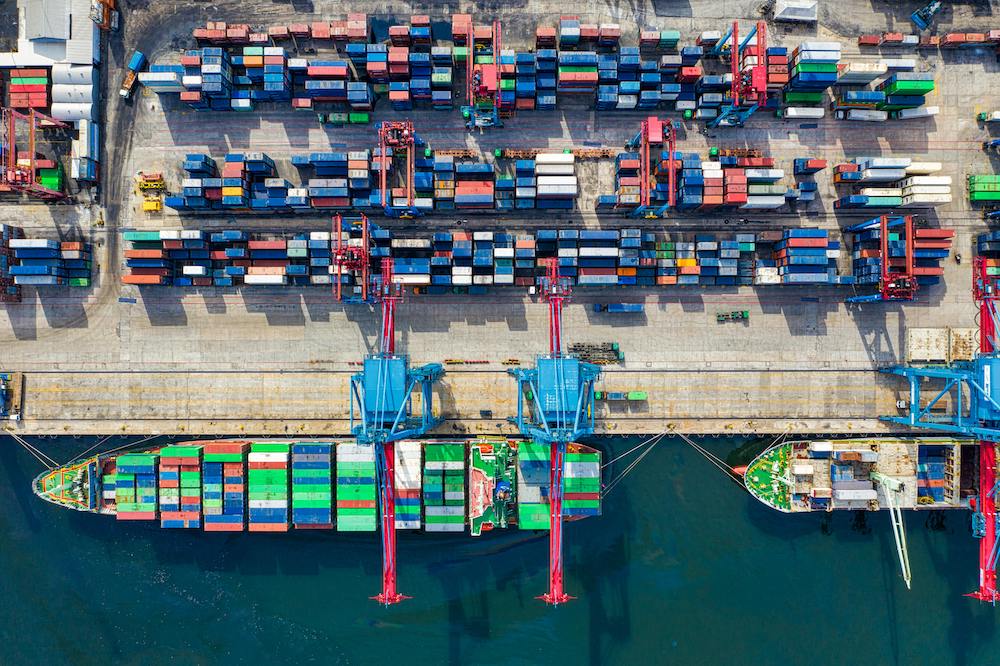
The demand curve across African cities is rising, from Lagos housing and MEP needs to Nairobi’s healthtech and agritech growth. If you plan to export to Africa from Istanbul or Guangzhou, you need a clean international trade guide that covers products, standards, partners, logistics, and risk. This post gives you a step by step route from first RFQ to first delivery, focused on Lagos and Nairobi. At Mazfinity, we help teams turn interest into shipments, pairing sourcing from Turkey and Asia with local market execution.
Why export to Africa from Istanbul and Guangzhou Africa’s growth is diversifying beyond raw commodities. Construction, power, cold chain, education tech, and consumer durables are scaling. Istanbul and Guangzhou are proven sourcing and consolidation hubs, with dense supplier networks, shipping frequency, and competitive costs.
Istanbul strengths: steel and aluminum systems, ceramic tiles, sanitaryware, doors and hardware, insulation, paints, lighting, modular systems. Shorter transit to West and East Africa and strong mid size factories.
Guangzhou strengths: MEP and electrical components, solar and inverters, smart locks, low voltage gear, elevators, curtain wall accessories, tools. Deep capacity and strong price to performance.
Gateways: Lagos for West Africa and Nairobi for East Africa. Both connect to neighbors through road and air, which lets you extend reach after the first wins.
Export to Africa, choose your product and compliance first:
Successful exports start with a tight product and standards fit:
Narrow your offer. Pick one or two SKUs or a bundled solution that solves an obvious pain, for example solar cold rooms or light gauge steel classrooms.
Define HS codes and standards. Confirm HS codes, then list required standards per destination. For Nigeria, check SON regulated list. For Kenya, check KEBS standards and PVoC scope.
Labeling and documentation. Prepare compliant labels, user manuals, and warranty terms. Align voltage, plug types, safety markings, language, and units. Keep a technical file for audits.
Pre approvals. For regulated products, secure conformity certificates before shipment. Nigeria uses SONCAP, Kenya uses PVoC Certificate of Conformity for many categories.
Sourcing from Turkey and Asia, build a reliable shortlist:
Good suppliers make exports smooth Use both desk research and factory validation.
Discovery channels. Turkey, use sector associations and exporter unions in Istanbul and Anatolian industrial zones. China, use Canton Fair, CCPIT directories, and factory clusters in the Pearl River Delta.
First filter. Company registration, export license, ISO 9001, product test reports, recent shipments to Africa, average lead times, MOQ.
Samples. Approve a golden sample with signed specs and a measurement report. For MEP and safety critical parts, add third party lab tests.
Pilot terms. Start with clear Incoterms, inspection plan, and milestones. Use FCA or FOB for simplicity at the start.
Price realism. Request full cost breakdowns, including tooling, packaging, inland trucking, and test fees. Compare Turkey versus China by landed cost, not unit price.
Contracts, Incoterms, and payments for Africa routes Codify the business, so there are no surprises at the port.
Master supply agreement. Add product annexes, quality SLAs, defect rate caps, replacement timelines, IP and confidentiality, and governing law.
Incoterms. For new runs, use FCA or FOB for sea freight, or CIP for air. Move to DDP only after you master local taxes and last mile.
Payments. For new suppliers, use letters of credit or 20, 60, 20 milestones tied to inspection and shipment. Shift to net 30 or 60 after three on time deliveries.
Currency risk. Quote in USD where possible. If you buy in CNY or TRY and sell in NGN or KES, add a 5 to 10 percent FX buffer or hedge large orders.
Shipping to Lagos and Nairobi, customs and documents that matter Routes:
Main lanes: From Istanbul to Lagos by sea, plan roughly three to five weeks depending on schedule and transshipment. From Guangzhou or Shenzhen to Mombasa, plan three to four weeks. Air works for urgent spares and demos.
Core documents: Commercial invoice, packing list, bill of lading or air waybill, certificate of origin, insurance certificate, product test reports, and conformity certificate if required.
Nigeria, Lagos: Many regulated products need SONCAP. Process typically includes a Product Certificate and a SONCAP Certificate before clearance. Importers usually open Form M before shipment through an authorized bank. Work with a licensed clearing agent and check Nigeria Customs Service for the latest tariff and restrictions.
Kenya, Nairobi: Most regulated goods require a PVoC Certificate of Conformity issued by a KEBS appointed body before shipment. Importers file Import Declaration Fee and Railway Development Levy through Kenya’s single window and KRA systems. Pre clear to avoid storage charges at Mombasa or JKIA.
Packaging and labeling: Use export grade packaging, moisture control, corner protectors, and barcodes linked to batch and PO. Add country specific labels to avoid relabeling on arrival.
Quality control that protects your margin:
Inspection plan: Pre production check of raw materials, in process audit at 20 to 50 percent, pre shipment inspection with AQL levels suited to the item class.
Testing: Fire, electrical, and structural tests by accredited labs where applicable. Keep certificates tied to lot numbers in a shared drive.
After sales: Stock critical spares near Lagos and Nairobi with a 3PL. Aim for 24 to 72 hour service response on first projects.
A 90 day export launch plan:
Days 1 to 10: Pick target market, Lagos or Nairobi, and pick one hero product. Confirm HS code, standards, and needed approvals. Draft your RFQ and inspection plan.
Days 11 to 20: Build a supplier long list in Istanbul and Guangzhou. Send RFQs with a common template. Filter for certifications and Africa shipment experience.
Days 21 to 35: Approve samples, negotiate pilot MOQs, lock Incoterms, and set payment milestones. Book third party inspections.
Days 36 to 55: Place pilot orders. Prepare SONCAP or PVoC if required. Prepare commercial invoice, packing list, COO, insurance, and book freight.
Days 56 to 75: Run in process and pre shipment inspections. Ship. Share shipment tracker with your importer and agent. Prepare site install guides and training.
Days 76 to 90: Clear customs, deliver, and install. Capture ROI and testimonials. Convert pilots into framework orders. Plan a second SKU or a second destination city.
Common risks and how to avoid them:
Late documents: Share a document checklist with supplier and agent at PO signature. No shipment until all pre approvals are issued.
Over reliance on one supplier: Dual source A category items in different countries where possible.
Wrong Incoterms expectations: Explain responsibilities in writing with examples and a simple diagram in your contract annex.
Currency swings: Quote in USD to buyers, hedge large CNY or TRY exposure, and include price review clauses for long validity quotes.
Long cash cycles: Use deposits plus LC at sight, or bridge with export finance. Offer small early payment discounts to accelerate receivables once trust is built.
Mazfinity Insight:
Winning exports are simple to buy, easy to clear, and reliable to install. At Mazfinity, we combine sourcing from Turkey and Asia with on the ground know how in Lagos and Nairobi. We design the RFQ, vet the factory, secure conformity, and choreograph documents and delivery. When you remove friction for your buyer, exports compound.
Conclusion:
Export to Africa gets easier when you follow a clear international trade guide and build a repeatable system. Choose the right products, confirm standards early, lock clean Incoterms and payments, and prepare customs documents for Lagos and Nairobi before you ship. Sourcing from Turkey and Asia gives you cost and capacity, while disciplined QC and local partners give you speed. Mazfinity can help you move from first pilot to a steady export line.